The UK is one of the most nature-depleted countries on Earth.1 Research shows that only 50.3% of our natural biodiversity is estimated to remain and it continues to decline.2 The latest State of Nature report shows that 1 in 6 UK species are now at threat of extinction and we have seen an average decline of 19% of all animal and plant species since 1970, which is when records began.3 These shocking statistics are evidenced in the RSPB’s report showing we have lost more than 40 million birds from the UK skies in the past 50 years. 4 Healthy ecosystems are critical to sustaining life on earth, their loss will not only exacerbate the impacts of climate change but also have profound impacts on food production, the economy, and human well-being.
Ecosystem decline has largely been driven by the loss of natural habitats due to intensive agriculture, extensive resource extraction, and increased urban land use. With urban expansion and the depletion of rural species projected to continue, cities are becoming our fastest growing habitats.5 It is critical that we improve biodiversity in urban developments to reduce the continued biodiversity loss, and limit the impacts of climate change.
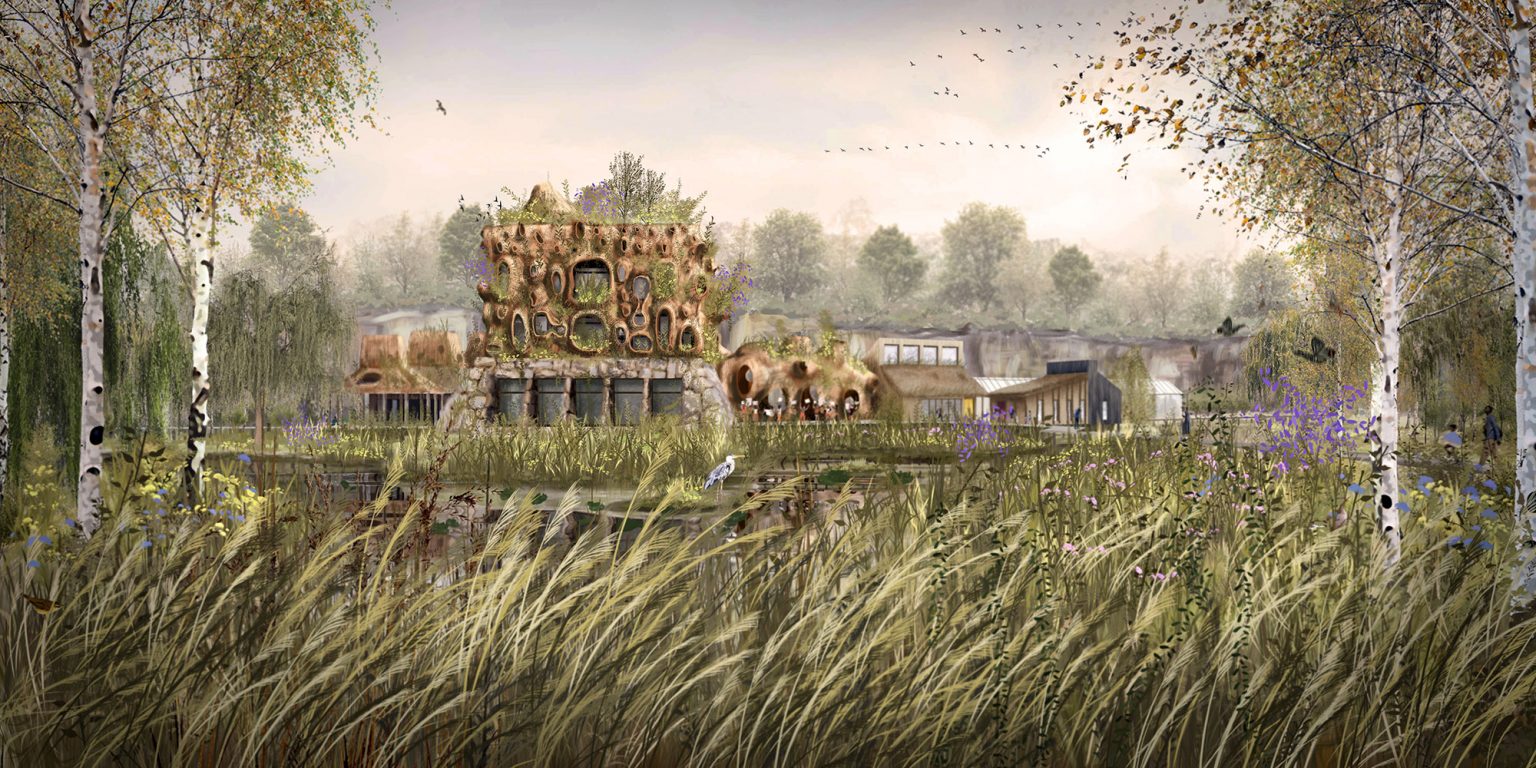
As architects and designers, we play a significant role in providing more wild spaces and designing our buildings to allow ecosystems to thrive. By improving biodiversity in urban areas, we in turn make our cities more resilient to climate change, we improve people’s access to nature and their well-being, and we start to positively change our societal values against the growing disconnect with nature.