Ergebnisse [0]
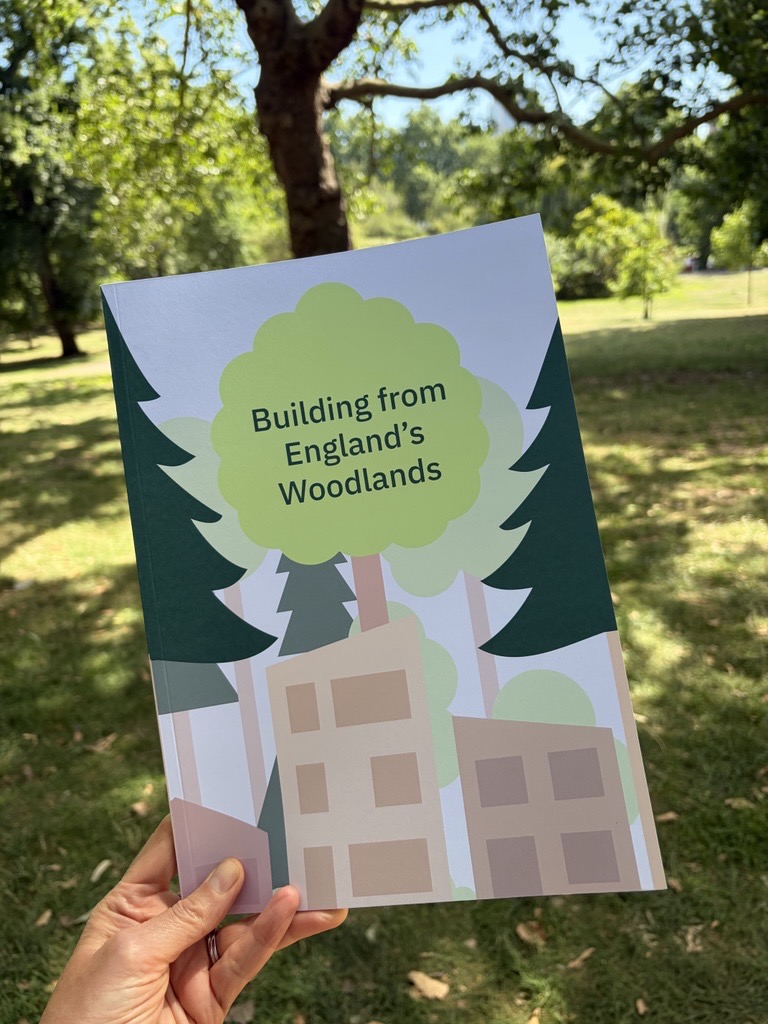
Since 2022, we have been working with leading experts from forestry, wood science, timber manufacturing and construction to explore how English-grown timber can be used more effectively in modern building systems.
Read and download the research report
Led by the New Model Institute for Technology and Engineering (NMITE), and including Edinburgh Napier University, Built Environment – Smarter Transformation (BE-ST), Ecosystems Technologies, and dRMM Architects, the project concluded that, when appropriately selected and specified, English hardwoods can play a significant role in structural applications.
The findings from the study challenge long-standing perceptions about the suitability of homegrown timber for construction. A key innovation emerging from the research is the development of hybrid engineered timber products that optimally combine hardwood and softwood within the same structural element.
Testing showed that hybrid cross-laminated timber (CLT) and glued-laminated timber (glulam) products met all required strength and durability criteria using existing manufacturing methods. The use of hardwood in key structural zones also enabled material savings of approximately 10–15%, creating opportunities for lighter, more efficient building systems.
Additionally, the project included real-world demonstration shown as dRMM: Building from Forests display at the Victoria and Albert Museum in London, and the installation of a hybrid hardwood-softwood glulam beam in NMITE’s new Skills Hub building in Hereford.
Beyond construction, the project highlights wider environmental, economic, and social benefits. Greater use of English timber could reduce embodied carbon, increase long-term carbon storage in buildings, support more resilient and biodiverse forests, and strengthen rural economies through local manufacturing and value-added processing.
The research, funded by by the Forestry Commission’s Woods into Management Forestry Innovation Fund, also aligns with the UK Government’s Timber in Construction Roadmap and wider Net Zero ambitions, providing evidence that homegrown timber can contribute meaningfully to decarbonising the built environment as well as diversifying productive forestry.
The findings mark an important step towards a future where forests, manufacturing, and construction work together to create sustainable buildings while supporting healthier landscapes and stronger local economies. With continued investment in research, commercialisation, and skills development, England’s woodlands could become a cornerstone of a lower-carbon, more resilient built environment for generations to come.
For architects, this research opens up exciting new possibilities. Rather than designing around a limited palette of imported materials, we can begin to design with the characteristics and diversity of our local forests in mind. The V&A exhibition helped translate complex research into a tangible experience, demonstrating that innovation in timber construction is not just a technical challenge but a cultural opportunity to rethink how we build, source materials and connect people with the landscapes around them.

Research Lead