Ergebnisse [0]
Hackney Wick and Fish Island Strategic Framework
Regeneration shaped by creative identity
Tagged: Collaboration
Kollaboration
Team muf architecture/artTeam AZ Urban Studio
Team Rob Bevan
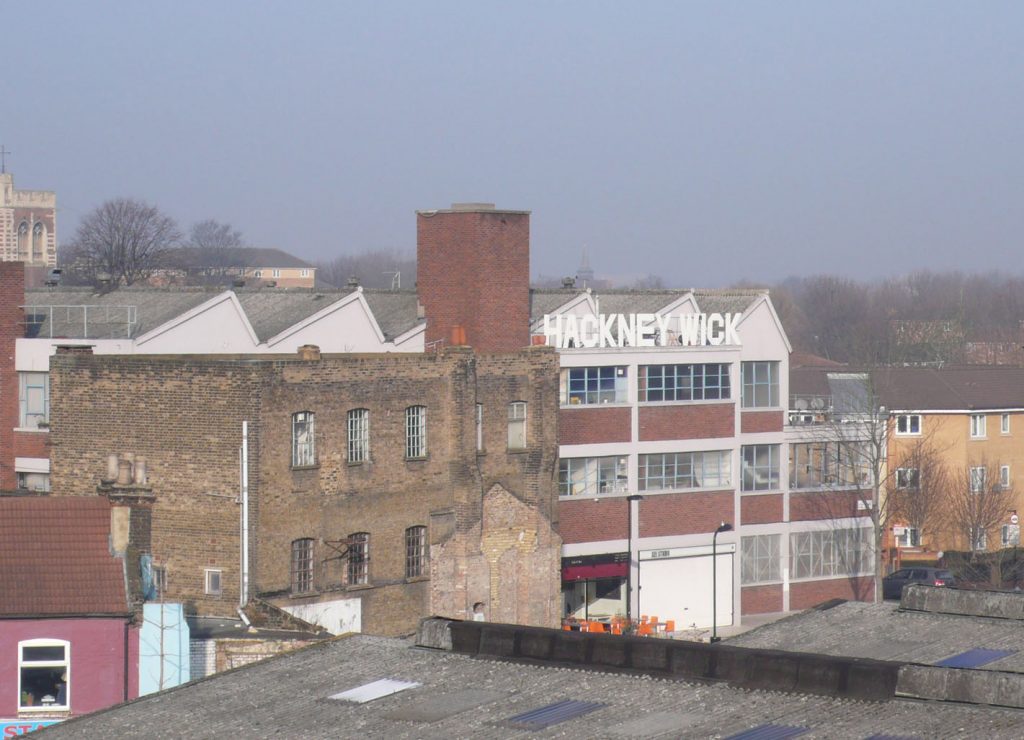
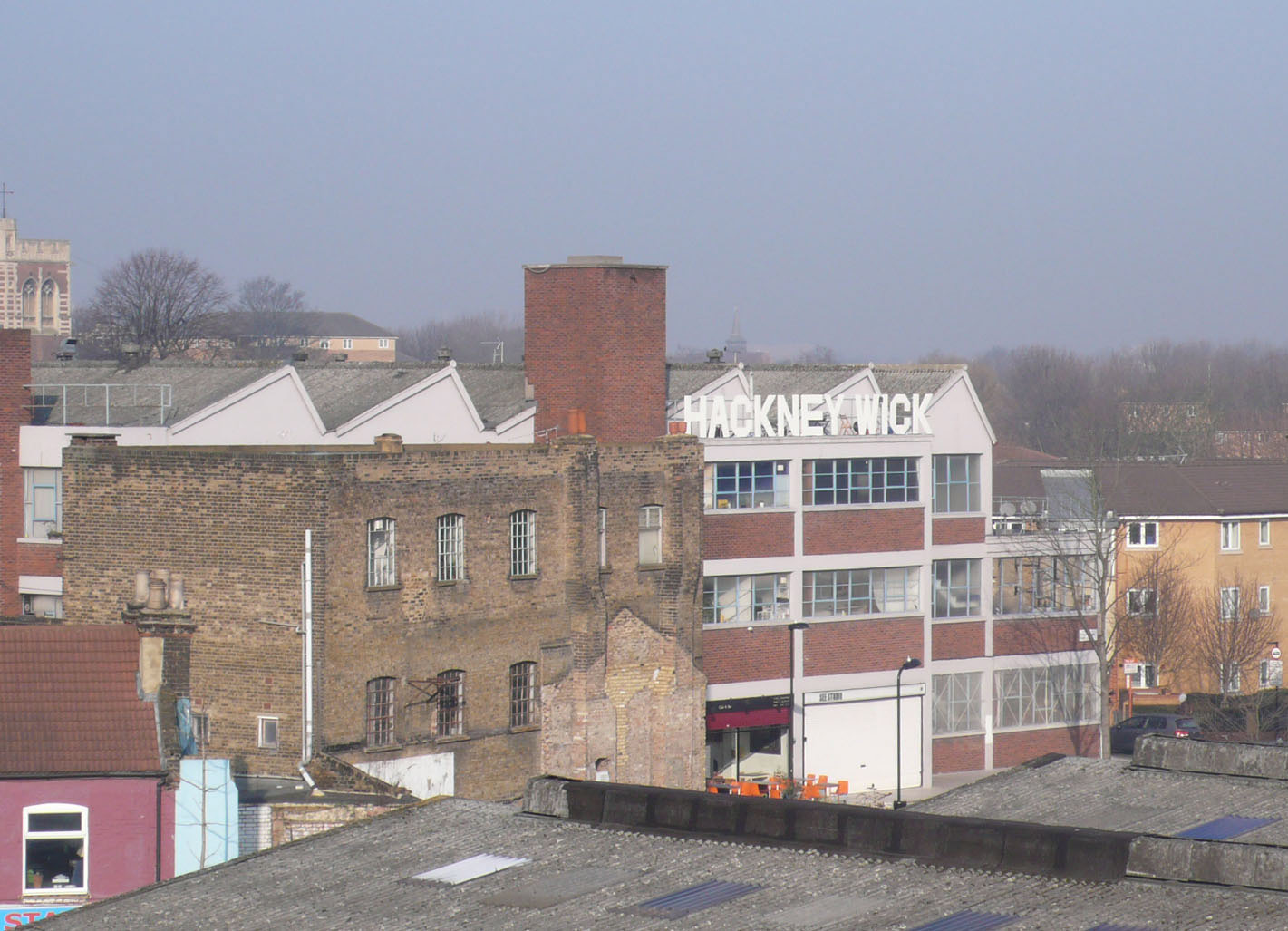
Commissioned by the London Legacy Development Corporation, this strategic design and planning study explores how Hackney Wick and Fish Island can evolve as a creative and productive neighbourhood.
Kollaboration
Team muf architecture/artTeam AZ Urban Studio
Team Rob Bevan
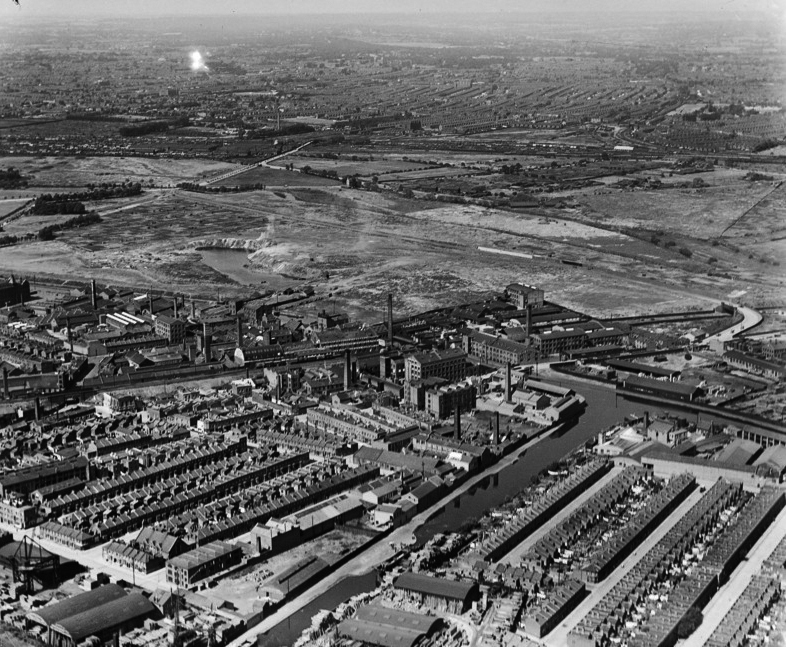
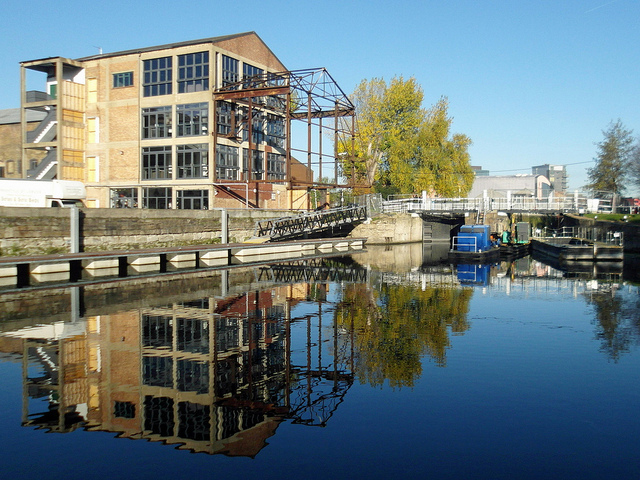
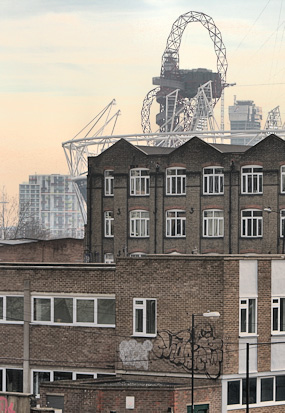
Located on the edge of Queen Elizabeth Olympic Park, the area is defined by its industrial heritage, waterways and a long-established community of artists, makers and small businesses.
The guidance establishes a framework for regeneration that supports new housing, safeguards workspace and public realm while retaining the distinctive character of the area.
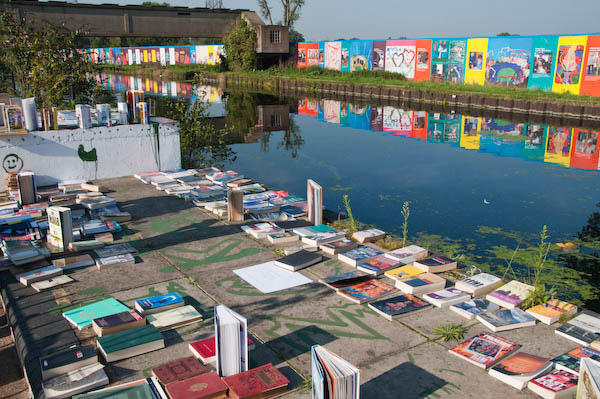
Hackney Wick and Fish Island have developed through incremental industrial growth, resulting in a diverse urban fabric of adaptable buildings, workshops and canal-side spaces. This environment has enabled a significant concentration of creative industries, with hundreds of studios and small enterprises occupying former factories and warehouses. The guidance recognises this culture of making and production as central to the area’s identity and proposes that regeneration should build upon this productive character.
The study was developed by a multidisciplinary team led by dRMM, working with muf architecture/art, heritage specialist Robert Bevan and planning consultants AZ Urban Studio.
muf’s prior research into Hackney Wick’s artist community informed the approach, providing an understanding of how creative and industrial uses occupy and adapt existing buildings. Commissioned following the 2012 Olympic Games, the project responded to increasing development pressure and the need for a clear framework to manage change across a neighbourhood undergoing rapid transformation.
Urban analysis, design testing and stakeholder engagement informed the work. A significant component of the research involved mapping the existing buildings occupied by the creative community, identifying clusters of studios, workshops and live-work spaces across the area. This revealed the importance of the yard condition – a network of shared, flexible spaces that support making, repair, exhibition and informal retail – as a key spatial and economic driver of the neighbourhood.
The study established a series of objectives centred on creating a vibrant mixed-use neighbourhood, improving connectivity within the area and to surrounding districts, and supporting the continued growth of creative and productive industries. It also emphasised the importance of heritage-led regeneration, safeguarding existing employment space, and strengthening a local neighbourhood centre focused around Stour space.

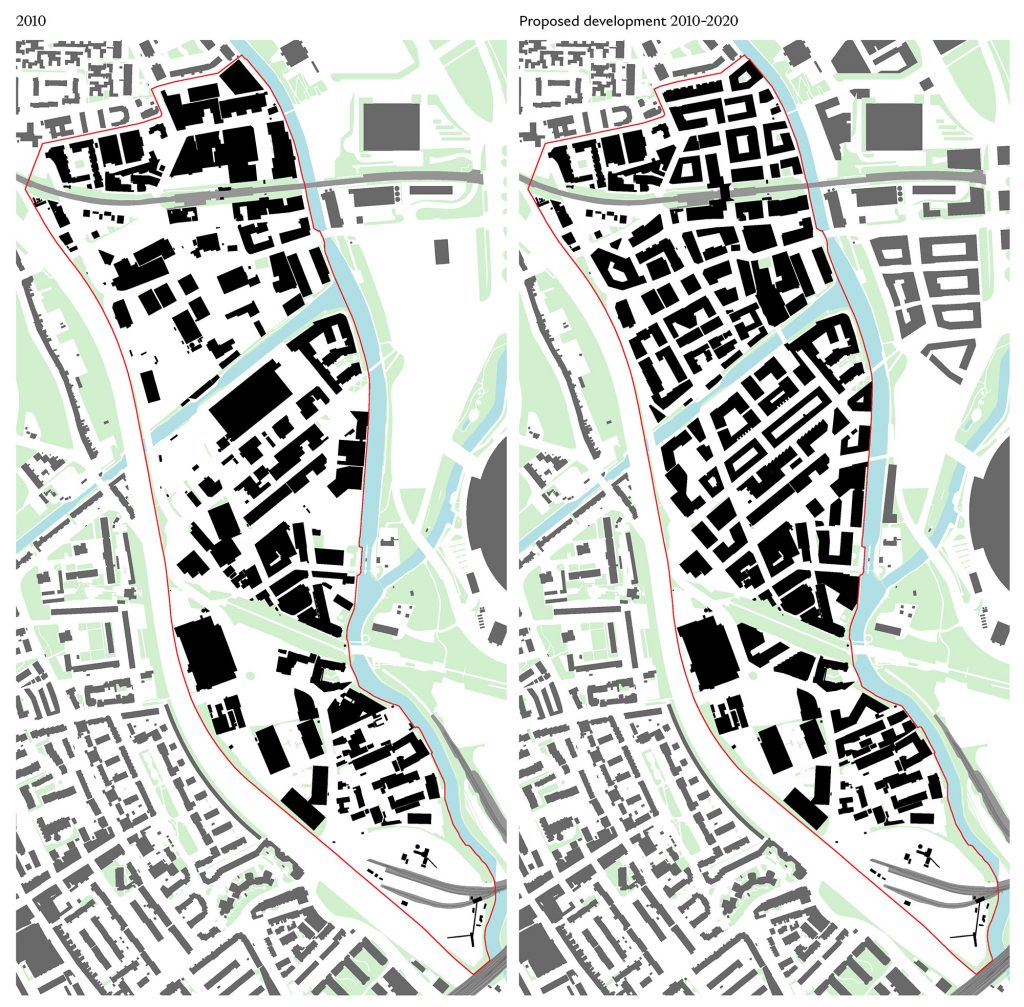
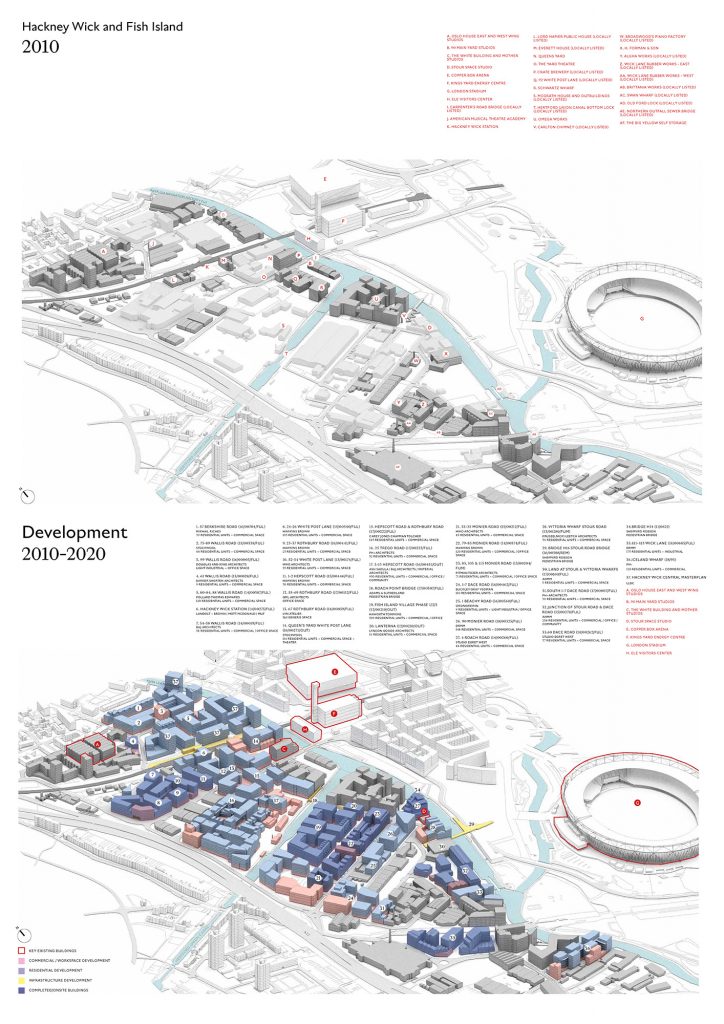
The guidance promotes a strategy of intensification, accommodating new housing while ensuring that existing creative and commercial uses are retained by re-providing an equivalent quantum of commercial space within redevelopment sites.
Mixed-use development is structured to embed employment and workspace within the neighbourhood, allowing productive activity to remain central to its identity. A clear approach to scale and massing was established to manage growth. Building heights were generally limited to six storeys, maintaining a consistent urban grain aligned with the existing industrial character. Taller buildings, typically up to seven or eight storeys, were only considered in specific locations and subject to higher design scrutiny under LLDC BN10, ensuring that any increase in height was matched by architectural quality.
Improved connectivity is central to the strategy to connect Fish Island. New routes and bridges are proposed to overcome barriers such as the A12 and the Lea Navigation, strengthening links within Hackney Wick and connecting it to the wider Lea Valley and Queen Elizabeth Olympic Park.
The guidance establishes a conservation-led approach in which existing industrial buildings, waterways and historic fragments are treated as key assets, with a presumption in favour of retention and adaptive reuse. New development is encouraged to respond to the scale, grain and material character of the area, while allowing confident contemporary interventions through careful juxtaposition.
To support the delivery of high-quality development, the London Legacy Development Corporation established a Quality Review Panel to oversee proposals across the area. This process, alongside requirements for continuity of design teams through delivery, ensures that architectural quality is maintained as the masterplan vision is implemented.
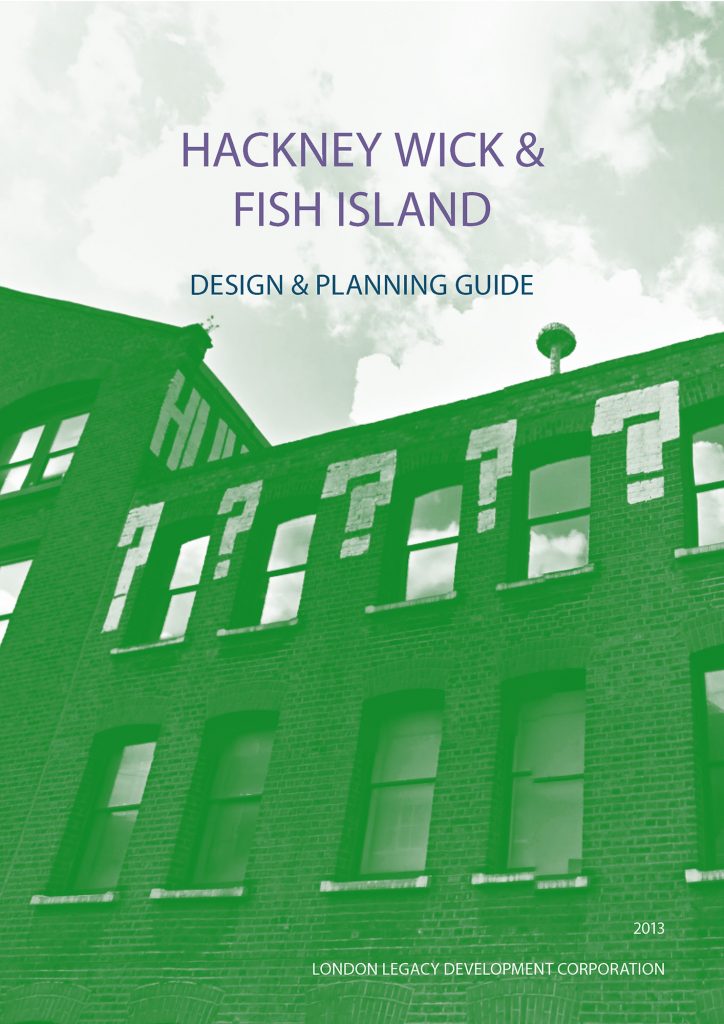
The resulting document Hackney Wick & Fish Island Design & Planning Guide identifies opportunities for new homes, workspace, community infrastructure and public realm, while maintaining the area’s role as a unique place of production and creativity. It has informed the LLDC’s planning framework and contributed to the Hackney Wick and Fish Island Supplementary Planning Document, which continues to guide regeneration across the neighbourhood.
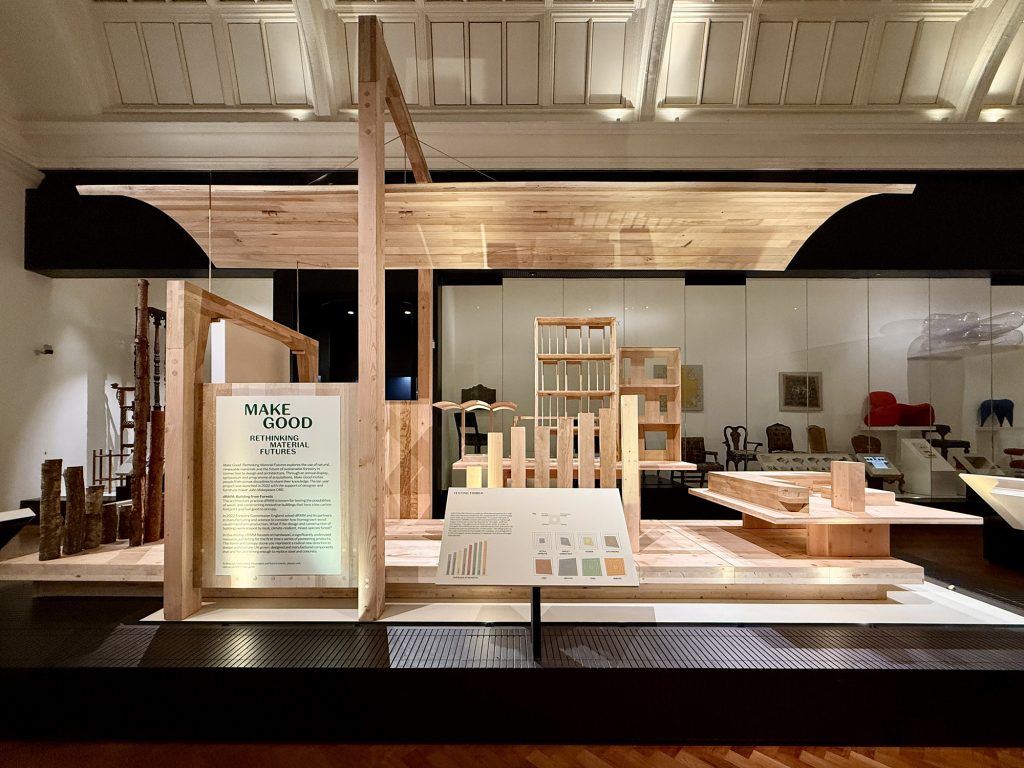
V&A Make Good: Building from Forests
Display envisaging a sustainable, home-grown material future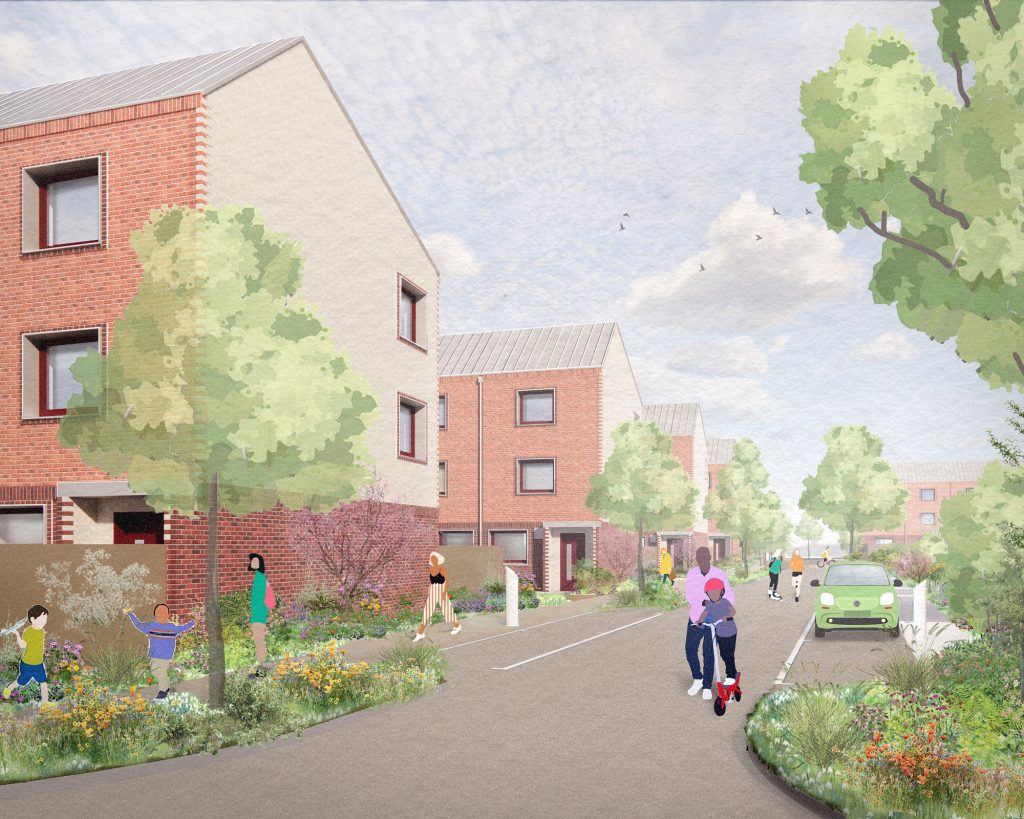
Farmer Norton
Sustainable housing for Salford's regeneration ambitions
Measuring Mass Timber
A mass timber whole life carbon and quality of life method